Why Most Retail Digital Signage Is Just Expensive Wallpaper
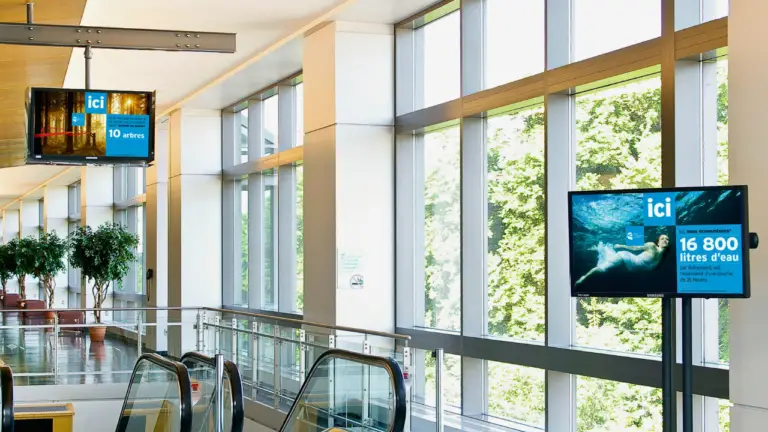
Retail digital signage works when you treat it as a communication discipline, not a technology purchase. Buy screens without a content strategy and you have bought very expensive wallpaper.
Practical guides, honest takes, and hard-won lessons from 17+ years of working inside the digital signage industry.

Retail digital signage works when you treat it as a communication discipline, not a technology purchase. Buy screens without a content strategy and you have bought very expensive wallpaper.

A retail media network is a retailer’s advertising business – selling ad placements across their website, app, and in-store screens to brands.

Building the best digital signage software is not the hardest part. Selling it, scaling it, and building trust in a market projected to hit $30.7 to $31.7 billion by 2026 is the real challenge.

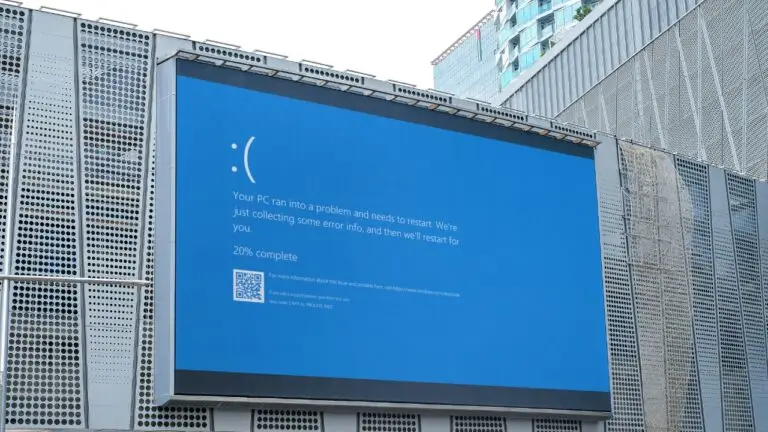
Most digital signage projects fail not because the technology is bad, but because the planning was. After nearly two decades of auditing rollouts, I keep finding the same warning signs.

Most digital signage projects fail not because the equipment is bad, but because there was no strategy. Someone bought shiny displays, loaded a few slides, and called it a day.

Free digital signage software can work for temporary setups, proof-of-concept tests, and simple internal displays.

Sustainable digital signage starts with auditing what you’re wasting right now -not buying new hardware. Turn off screens nobody’s watching. Stop running displays at max brightness in dim rooms.

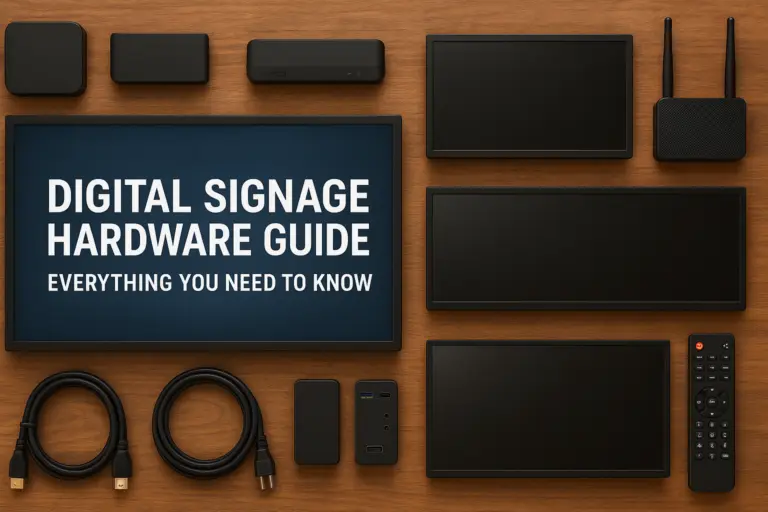
Digital signage hardware success depends on matching three components – displays, media players, and mounting solutions – to your specific environment and content needs.

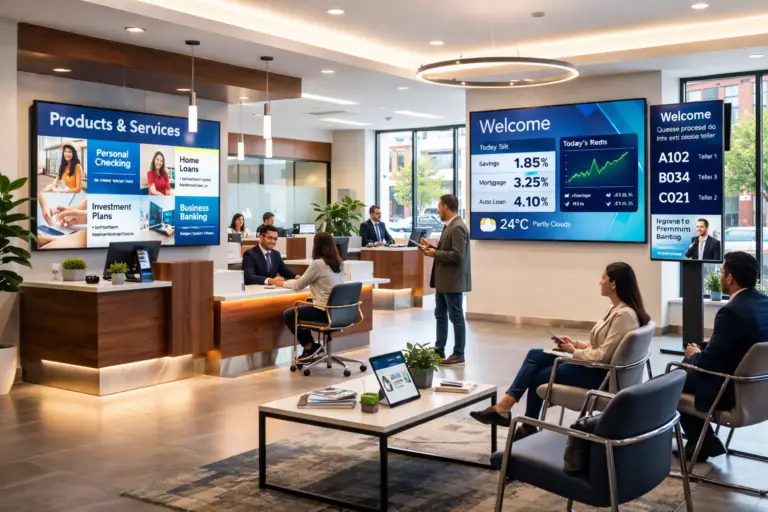
Banks using digital signage report a 25-40% drop in perceived wait times, a 15-30% boost in product awareness, and higher customer satisfaction scores.

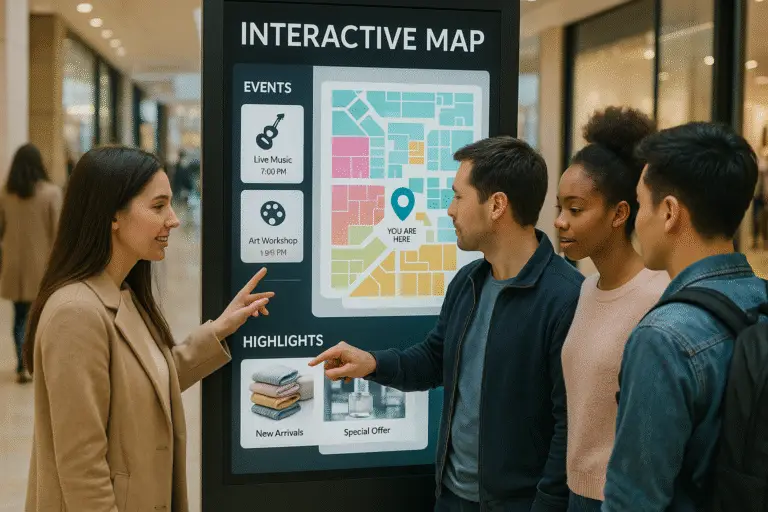
Digital wayfinding is an interactive signage system that helps people navigate complex spaces through touchscreens, digital maps, mobile integrations, and real-time updates. Hospitals using wayfinding kiosks report up to 30% fewer directional questions to staff.

Most small businesses do not need a digital signage expert for their first 1 to 3 screens. DIY platforms like ScreenCloud, Yodeck, and Rise Vision work fine for simple deployments under $5,000.

Schools and universities use digital signage to replace outdated bulletin boards, cut printing costs, and communicate faster with students, parents, and staff. The technology works when someone actually owns the content.

Without proper training, digital signage systems underperform – unused features, weak content, frequent tech issues, and poor ROI. Effective training covers three areas: CMS interface mastery, content creation best practices, and basic troubleshooting.

Digital signage for internal communications is the fastest-growing use case in corporate environments – networked screens that push company news, KPI dashboards, safety alerts, and HR announcements directly to employees.

Digital signage as a service is a subscription model where a specialist team manages your entire signage operation – strategy, hardware, software, content, and support – for a monthly fee of $50 to $200 per screen.