Building the best digital signage software is not the hardest part. Selling it, scaling it, and building trust in a $28 to $32 billion market is the real challenge. Product matters, but trust, clarity, and consistency are what actually win deals and keep customers around.
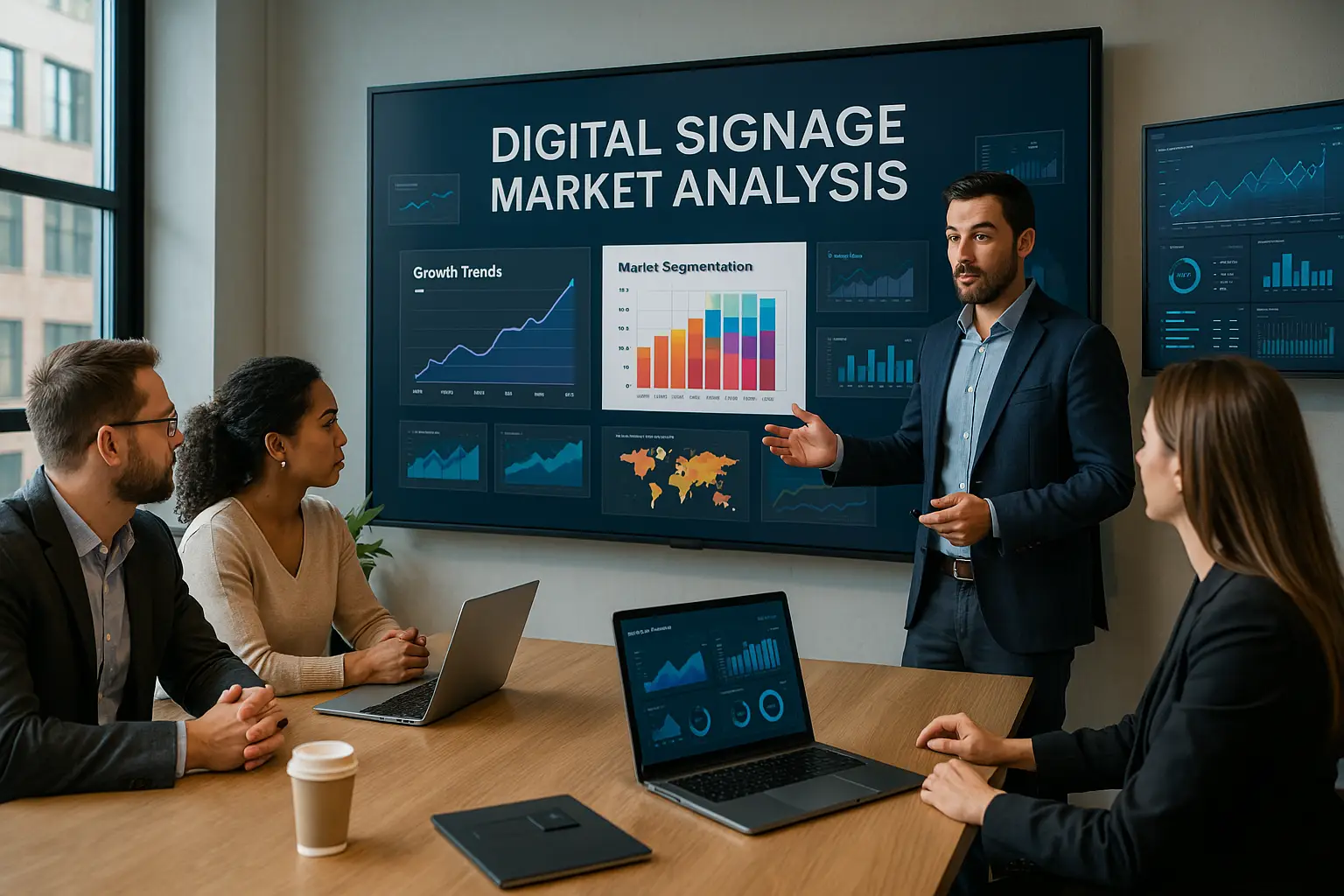
When I first entered the digital signage software industry, I was obsessed with product. I believed that if the CMS was feature-rich, intuitive, and beautifully designed, success would naturally follow. Spoiler: it did not.
After 17 years, countless demos, and late-night troubleshooting sessions, I have learned that building the best digital signage software is not the hardest part. Selling it, scaling it, and building trust in a $28 to $32 billion market? That is the real challenge.
Here are the truths every digital signage pro needs to hear.
The Buyer Doesn't See What You See
You might geek out over your scheduling engine, API flexibility, or templating system. But your buyers? They do not care.
They are thinking:
- "Will this stop my ops team from drowning in content updates?"
- "Can I afford it without fighting for budget?"
- "Will my team actually use it, or will they hate me for picking it?"
The disconnect is deadly. If you are not translating features into solutions to problems, you are not winning.
Stop pitching tech specs. Start showing how your digital signage CMS fixes their everyday chaos.
Stop Leading With What You Think Is Cool
Buyers do not care how technically impressive your product is. They care if it solves their problem without becoming a new one.
One of the biggest mistakes I have seen (and made) is treating a demo like a victory lap. We open the CMS, show off the sleek dashboard, run through advanced features and lose the room.
Why? Because we are thinking from our point of view, not theirs.
You cannot expect your audience to connect the dots. You have to draw the picture. That means doing your homework before the demo. Know their pain points, internal hurdles, tech comfort level, and what success looks like to them.
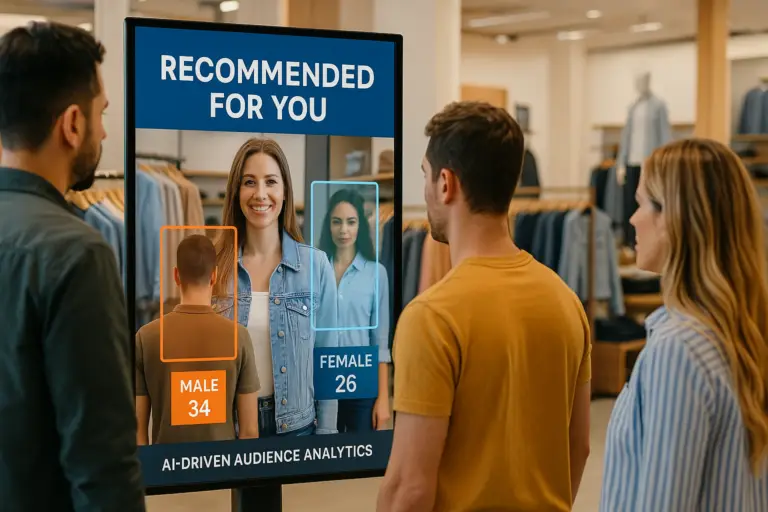
What That Looks Like in Practice
- If the team is overwhelmed and nervous about new tools: Skip the advanced logic engine. Show them how quick it is to update the lunch menu and move on.
- If they are worried about budget: Do not highlight features. Show how the system helps cut waste or prove ROI.
- If they have had bad vendor experiences: Lead with your onboarding process and support track record, not what is coming on your roadmap.
The goal is not to impress them. It is to make them see how much easier life gets with your software in place. That is the difference between just giving a demo and starting a conversation that actually goes somewhere.
They Don't Just Want Features. They Want to Feel Safe.
One of the biggest things software vendors forget? Buyers are not just comparing features. They are looking for someone they can trust.
This industry is crowded. Everyone is promising a seamless CMS, a better UI, smarter scheduling, or tighter integrations. It is a lot. And for buyers, especially those making a digital signage decision for the first time, it can feel overwhelming.
That is why trust matters more than you think.
Buyers need to believe your product will actually work. That you will not ghost them after the install. That when things break, and they will, you will be there. They need to feel like you get them. Not just their use case, but their daily headaches, their internal politics, their very real fear of picking the wrong platform.
I have seen deals go to vendors with fewer bells and whistles, simply because they showed up consistently, communicated clearly, and treated the buyer like a partner, not a lead to close.
Empathy wins. Clarity wins. Relationships win. If your buyers feel safe with you, you have already done half the job. The rest is just proving you can deliver.

When Price Matters More Than Product
Sometimes, the deciding factor is not ROI or innovation. It is just price.
You can have the better CMS, stronger team, and cleaner UX, but if your competitor comes in 30% cheaper, you are out.
Instead of sulking, reframe the story:
- Show how your system saves hours of staff time.
- Prove how fewer support calls reduce total cost of ownership.
- Highlight how avoiding one failed rollout easily justifies the price gap.
And if you are in a tight market? Offer flexible tiers, bundles, or long-term discounts. Buyers under pressure want options, not ultimatums.
A Great Product Isn't Enough. Never Was.
If there is one thing I have learned in this industry, it is that building great software is not the hard part. Selling it, really selling it, is where most teams stumble.
Because success in digital signage does not hinge on code. It hinges on trust.
- Trust that your software will work when it matters.
- Trust that your team will not disappear after the contract is signed.
- Trust that you are not just selling screens, but solving real problems.
That kind of trust does not come from spec sheets. It comes from every interaction, from the first email to the last onboarding call.
One of the best ways to build it? Educate. Show people what is possible. Most buyers do not need more features. They need more vision. Host the webinar. Write the honest blog post. Walk them through use cases that actually apply to their world.
And once they are in, do not vanish. A responsive, human support experience is one of the most underrated competitive advantages in this space. If you want your customers to stick, you have to show up. Consistently. With real answers.
Your software might win them over. But how you show up is what keeps them around.
The Evolution of the Digital Signage Software Industry
This industry does not sit still. Screens are getting smarter. Expectations are getting higher. And buyers are not just shopping for what works now. They are betting on what will still work two years from now.
If your product cannot keep up, it is already behind.
AV and IT decision-makers know the pace of change. They have lived through bad rollouts, outdated platforms, and vendors who stopped updating after version 2.0. They are not just buying software. They are buying confidence that you will evolve with them.
To Earn That Confidence, You Need to Show:
- A real roadmap, not just vague promises
- A willingness to integrate new tech like AI, automation, and data analytics
- A commitment to helping them anticipate change, not just react to it
Buyers want content that is smarter, faster, and more relevant. They want systems that can auto-adjust, self-optimize, and produce useful insights without a six-step export process. They want to spend less time managing their network and more time benefiting from it.
If your software helps them do that and you can prove it, you are not just a vendor. You are a partner in keeping them ahead of the curve. That is where the long-term wins happen.
What Buyers Really Want in 2026
Today's buyers are not looking for flashy gadgets. They are looking for:
Ease of Use
A digital signage CMS that does not require a PhD to update content. If your team can not figure it out in an afternoon, it is too complicated.
Scalability
SaaS and cloud-based solutions that can handle dozens of screens in minutes. Growth should not mean starting over.
AI and Automation
Smarter tools that auto-adjust content and deliver data-driven insights. Less manual work, more intelligent output.
Sustainability
Energy-efficient displays and SaaS models that reduce hardware costs. Buyers are increasingly asking about environmental impact.
Proof of ROI
Analytics dashboards that connect screen time to sales lift. If you can not measure it, you can not justify it at budget time.
Future-Proof Architecture
Open APIs, emerging tech integration, and a vendor who is clearly investing in what comes next.
If your software delivers these, you are not just "a vendor." You are the right partner. Industry organizations like DPAA and events like ISE are great places to stay ahead of where the market is headed.
The Best Product Doesn't Always Win
A great CMS helps. But winning in digital signage software comes down to trust, clarity, and consistency.
- Trust that you will show up when it matters.
- Clarity in how you solve real problems.
- Consistency in support, education, and vision.
Yes, product matters. But the way you sell it, support it, and frame it? That is what makes your software the right fit.
Do that well and consistently, and you will not just close deals. You will build a brand people come back to.
- Translate features into solutions. Buyers do not care about tech specs, they care about fixing their problems.
- Trust outweighs features. Consistent communication and empathy win deals over longer feature lists.
- Tailor every demo to the buyer's reality, not your product's capabilities.
- When price is the objection, reframe the conversation around total cost of ownership.
- Educate your market. Buyers need vision, not just another sales deck.
- Show a real product roadmap. Buyers are betting on your future, not just your present.
- Post-sale support is an underrated competitive advantage. Show up after the contract is signed.
Jordan Feil is an independent digital signage consultant with 17 years of industry experience. He has worked as a product manager at Navori Labs, a technical account manager, and a global marketing director before founding JAF Digital Consulting. He works with operators, vendors, and integrators on strategy, software selection, network audits, and go-to-market. No commissions, no vendor relationships that shape what he recommends.